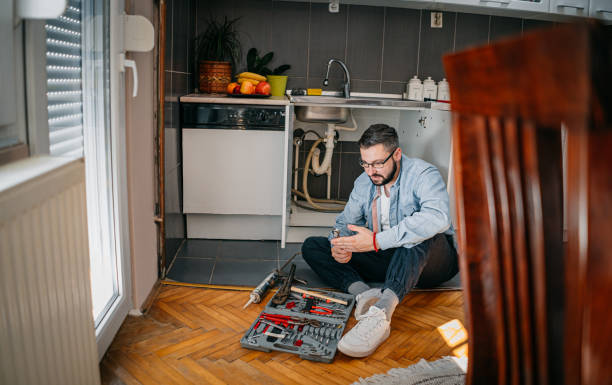

Household problems happen all the time. Leaky taps, broken doors, flickering lights, clogged drains — everyone faces these. Calling a professional every time can be expensive. The good news — many problems can be fixed yourself. Simple tools, some patience, and basic knowledge is enough.
Here’s a guide to fix common household problems yourself.
1. Leaky Faucets and Taps
Leaky taps are annoying and waste water. Most leaks happen because washers or seals worn out.
Tools needed: wrench, new washer, plumber’s tape.
Step 1: Turn off water supply. Step 2: Unscrew tap handle. Step 3: Remove old washer. Step 4: Replace with new one. Step 5: Reassemble.
Test water. Leak gone? Great. If not, maybe seal needs more tightening.
Tip: Keep extra washers at home. Saves time later.
2. Clogged Drains
Sinks, bathtubs, toilets — clogs common problem.
Simple fix: Use plunger first. Often works.
If still clogged, try drain snake or wire hanger. Push and twist slowly. Avoid harsh chemicals — can damage pipes.
Tip: Baking soda + vinegar + hot water mix helps minor clogs. Pour slowly. Wait 10–15 mins. Flush with hot water.
Prevention: Don’t pour grease, hair, or food scraps down drains.
3. Flickering Lights
Lights flicker — annoying and scary sometimes. Usually loose bulb or faulty switch.
Step 1: Turn off power. Step 2: Check bulb, screw tightly. Step 3: If still flickers, check socket.
If socket loose, wires may need tightening. Only attempt if confident. Otherwise call electrician.
Tip: LED bulbs last long and use less electricity.
4. Running Toilet
Toilet keeps running — waste water, annoying sound. Usually flapper or chain problem.
Step 1: Remove lid, check flapper. Step 2: Adjust chain length. Step 3: Replace flapper if worn out.
Tip: Keep spare flapper at home. Cheap and easy fix.
5. Sticking Doors and Windows
Doors stick or hard to close — common problem with wood expanding.
Fix: Sand edges slightly, oil hinges.
Lubricant oil for hinges — prevents squeak. Tighten screws if loose.
Tip: Wooden doors expand in humid season. Minor sanding helps.
6. Squeaky Floors
Wooden floors squeak sometimes. Annoying when walking at night.
Fix: Sprinkle baby powder or talc between gaps. Helps reduce friction.
For bigger squeak, screw from basement or underfloor to secure loose boards.
Tip: Keep basic tools — screwdriver, hammer, nails. Helps in many problems.
7. Broken Furniture
Furniture can wobble, break, or come apart.
Wood glue works for minor cracks. Clamps hold pieces while glue dries.
Tighten screws, replace missing bolts. Small fixes save buying new furniture.
Tip: Keep extra screws, nuts, bolts at home. Handy for future fixes.
8. Peeling Paint and Wall Cracks
Walls get cracks, paint peels. Looks bad but easy to fix.
Step 1: Scrape loose paint. Step 2: Sand surface. Step 3: Fill cracks with filler. Step 4: Sand again, paint.
Tip: Primer before painting lasts longer. Avoid thick layers of paint.
9. Broken Appliances
Small appliances like toaster, blender, iron can stop working.
Unplug first. Check fuse or power cord. Many times power cord loose or plug damaged.
Tip: Some appliances easy to repair — replace fuse, clean contacts. Others need professional help — avoid risk.
10. Pest Problems
Ants, cockroaches, rodents — common household pests.
Fix: Clean house daily. Don’t leave food uncovered. Seal cracks and holes.
Homemade solutions — vinegar for ants, boric acid for cockroaches.
Tip: Avoid overusing chemicals. Small doses, targeted.
11. Water Heater Problems
No hot water or uneven heat? Usually thermostat or sediment build-up.
Step 1: Turn off electricity or gas. Step 2: Drain water heater occasionally to remove sediment. Step 3: Check thermostat.
Tip: Follow manufacturer guide. Avoid tinkering with electrical connections if not confident. Safety first.
12. Smelly Garbage Disposal
Kitchen garbage disposal can smell bad over time.
Tip: Run disposal with cold water and ice cubes. Grind lemon or orange peels for freshness.
Avoid putting grease, bones, or fibrous vegetables. Prevent future problems.
13. Loose Tiles
Tiles can come loose in kitchen or bathroom.
Step 1: Remove loose tile carefully. Step 2: Clean surface. Step 3: Apply tile adhesive, press tile back.
Tip: Grout edges after adhesive dries. Avoid stepping on until fully dry.
14. Minor Electrical Issues
Flickering sockets, loose plugs — common minor electrical issues.
Always switch off main power first. Tighten screws, replace damaged socket cover.
Tip: Keep basic screwdriver set and insulated gloves. For major problems, call electrician.
15. Leaky Roof or Ceiling
Roof leak during rain — stressful. Small leaks can be patched temporarily.
Step 1: Identify leak spot. Step 2: Apply roof patch or sealant. Step 3: Use bucket to catch water until permanent fix.
Tip: Inspect roof annually. Clean gutters, remove debris. Prevent leaks before rainy season.
16. Jammed Locks
Door lock stuck? Don’t panic.
Lubricate with graphite or oil. Wiggle key gently. Don’t force too much — can break key.
Tip: Spare key always handy. Small lock fixes avoid expensive locksmith calls.
17. Creaky Furniture or Stairs
Wooden stairs or chairs creak. Noise annoying.
Use talc, wax, or tighten screws. Clamps help for bigger repair.
Tip: Regular maintenance reduces future problems.
18. Broken Curtains or Blinds
Curtains fall, blinds jam — fixable.
Check screws, brackets. Replace broken parts. Wash curtain regularly to avoid dirt damage.
Tip: Keep extra hooks, clips at home. Makes repair easy.
19. Minor Plumbing Problems
Dripping pipes, small leaks — often washer or joint problem.
Turn off water. Tighten joints, replace washers. Small leak fixed easily.
Tip: Carry basic plumbing kit — wrench, tape, spare washers. Saves time later.
20. Preventive Maintenance Tips
Most household problems preventable. Inspect regularly. Tighten screws, oil hinges, clean drains.
Small preventive steps save money and trouble. Weekly check helps identify issues early.
Final Thoughts
Household problems happen, it’s normal. Calling professional is fine, but small problems can be fixed yourself. Saves money and time.
Tools, basic knowledge, patience — enough for many fixes. Keep spare parts, extra screws, nuts, bolts, basic plumbing, electrical, carpentry tools at home.
DIY fixes not only save money but give satisfaction. Small effort, big result.
Start simple, learn gradually. Leaky tap today, clogged drain tomorrow — you got it handled.
Household maintenance easy if routine. Observe, plan, fix. Small consistent steps better than emergency panic calls.
Your home stays functional, safe, and happy. DIY skill grows over time. Everyone can do it.